02 — History
Older than the night.
Before the clubs, before the hippies, before tourism, this was a Phoenician port, a Punic necropolis, a walled city, a salt island. The magic did not start in 1987.
The name
Ibosim. Ebusus. Yabisah. Eivissa. Ibiza.
Phoenician sailors called it Ibosim — likely “dedicated to Bes,” the dwarf god of music, dance, and protection, or perhaps “island of fragrance” for the herbs that still scent the inland roads. The Romans said Ebusus. The Greeks looked at Ibiza and Formentera together and said Pityoussai, the pine-covered islands. In Catalan it is Eivissa. The Spanish name the world borrowed is Ibiza.
That the god of music may already have been in the name is a coincidence the island has been living up to for a very long time.
A short chronology
The island kept every layer.
-
Phoenicians found a port
Settlers from the Levant establish a foothold. Sa Caleta, on the south-west coast, holds the archaeology of that first town. In the sixth century they move to the hill above the harbour — the hill that is still Dalt Vila.
-
A Punic island
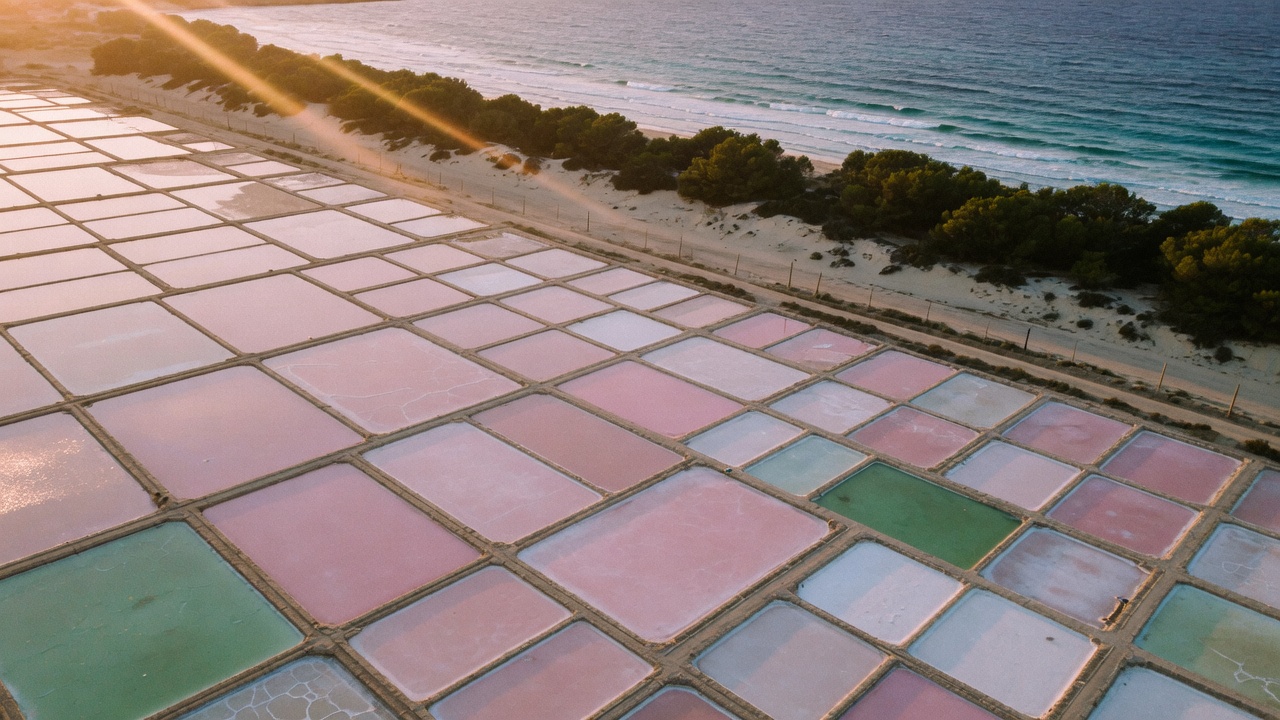
Ibiza becomes a Carthaginian hub for salt, dye, wool, and garum. At Puig des Molins they cut thousands of tombs into the rock: one of the largest Phoenician-Punic necropolises in the world. In a cave at Es Cuieram, offerings were made to the goddess Tanit.
-
Rome, by treaty
The Scipio brothers assault the island in the Second Punic War. Ibiza stays loyal to Carthage until it negotiates a favourable foedus with Rome, keeping Punic institutions longer than many neighbours, then becoming the municipality of Ebusus.
-
Yabisah
After Vandals and Byzantines, Muslim rule arrives. The island, Yabisah, is drawn toward Dénia on the mainland. Berber settlement, irrigation, and a Mediterranean of trade and raid.
-
The Crown of Aragon
Catalan conquest. The Muslim population is deported. Settlers come from Girona. The island keeps forms of self-government until Philip V abolishes them in 1715.
-
The walls you still walk
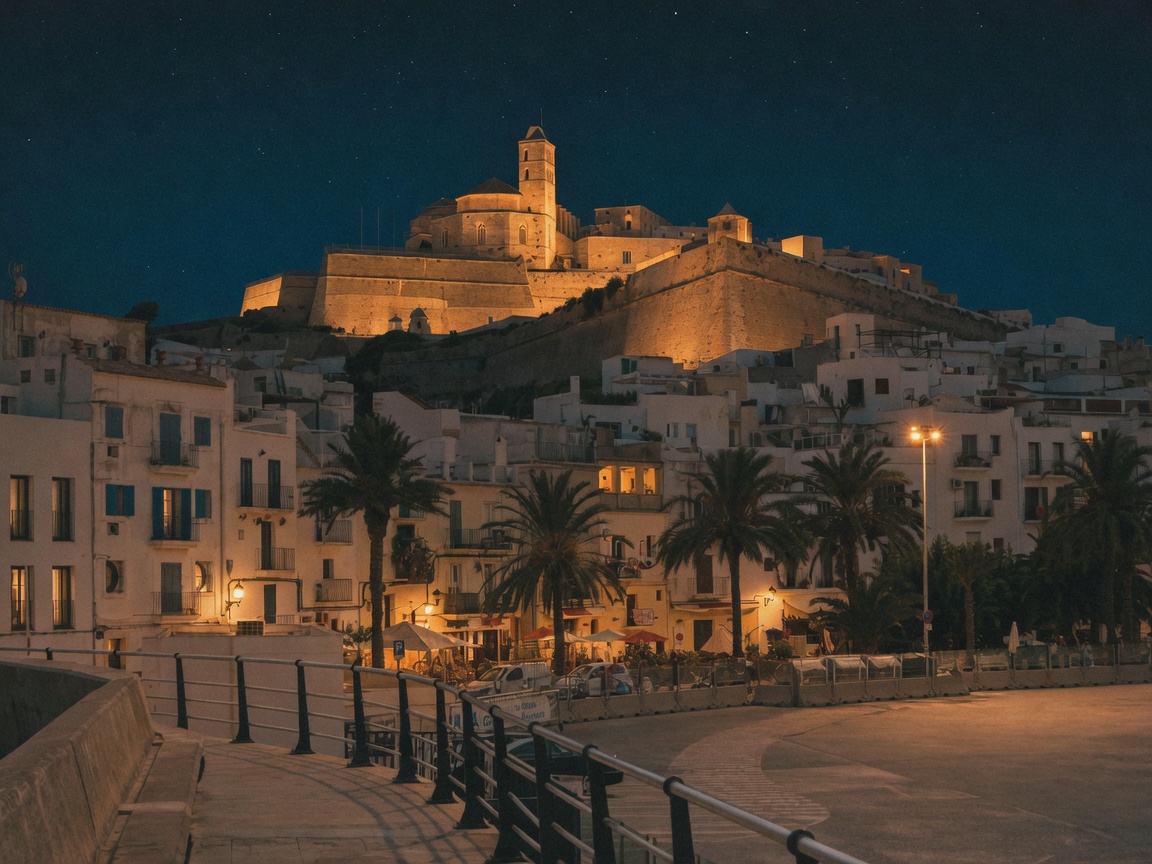
Italian engineers Giovanni Battista Calvi and Jacobo Paleazzo Fratin raise Renaissance fortifications to hold the route between Spain and Italy against Ottoman and pirate pressure. Those bastions — Portal de ses Taules, the cathedral on the summit — are the skyline of Vila.
-
Artists, then hippies
Painters and writers find a cheap, beautiful backwater. After Franco’s Spain begins to open, beatniks and hippies arrive in force, peaking around 1973–74. Fincas, beaches, and improvised parties become the soil the clubs will grow from. The hippie markets — later Las Dalias and Punta Arabí — keep that thread visible.
-
UNESCO: Biodiversity and Culture
The world lists four treasures together: Dalt Vila, the necropolis of Puig des Molins, the Phoenician site of Sa Caleta, and the underwater meadows of Posidonia oceanica. Mixed heritage — culture and nature as one island. I arrived the following year, into a place that had just been named, and was still wildly alive.
The inland island
Most of Ibiza is not a dancefloor.
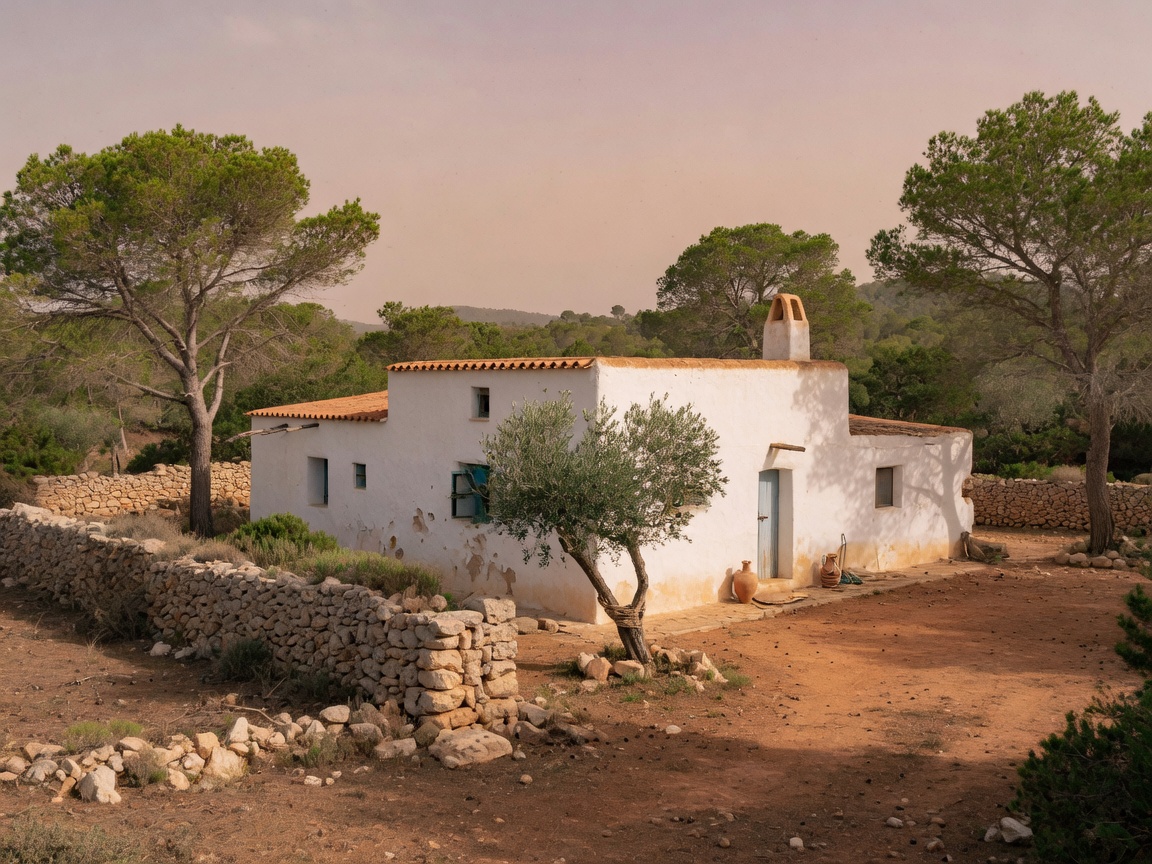
The casas pagesas — flat-roofed fincas, cisterns, olive and carob, dry-stone walls — are as Ibizan as any club. Rural churches. Defence towers against the corsairs. Red earth roads that still feel like another century once you leave the south.
Sa Talaiassa, the high point, is only 475 metres. From there the island is a small, complete world: north of Sant Joan still quiet, Santa Eulària with its river, Sant Josep with Es Vedrà sitting off the coast like a thought you cannot finish.
Es Vedrà gathers legends — Tanit, disappearing ships, a magnetic rock — the way a good island should. You do not have to believe them. You only have to watch the light hit that limestone at dusk.